


How to build a long-term proactive maintenance plan
In this post

1
2
3
A proactive maintenance plan combines preventive and predictive strategies to extend asset life and reduce downtime. With MEX CMMS, businesses can assess assets, schedule recurring tasks, analyse performance, and train teams to maintain long-term operational efficiency.
How to Build a Long-Term Proactive Maintenance Plan
In Australia's rapidly evolving industries, equipment downtime and unplanned repairs can have a significant impact on operations, particularly in sectors like mining, utilities, and manufacturing.
To avoid these disruptions, developing a robust proactive maintenance plan is essential. With the right approach, Australian businesses can save time and money while maximising the lifespan of their critical assets.
1. Perform a Comprehensive Asset Assessment
The first step is to assess all your equipment, machinery, and infrastructure.
In Australia, environmental factors like extreme heat, humidity, or proximity to the coast can impact the longevity of assets, so understanding their current condition is key.
A thorough facility condition assessment (FCA) will help you pinpoint which assets need immediate attention and which require routine maintenance to prevent future issues.
2. Utilise a CMMS for Seamless Management
A Computerised Maintenance Management System (CMMS) is critical to organising and streamlining your maintenance processes.
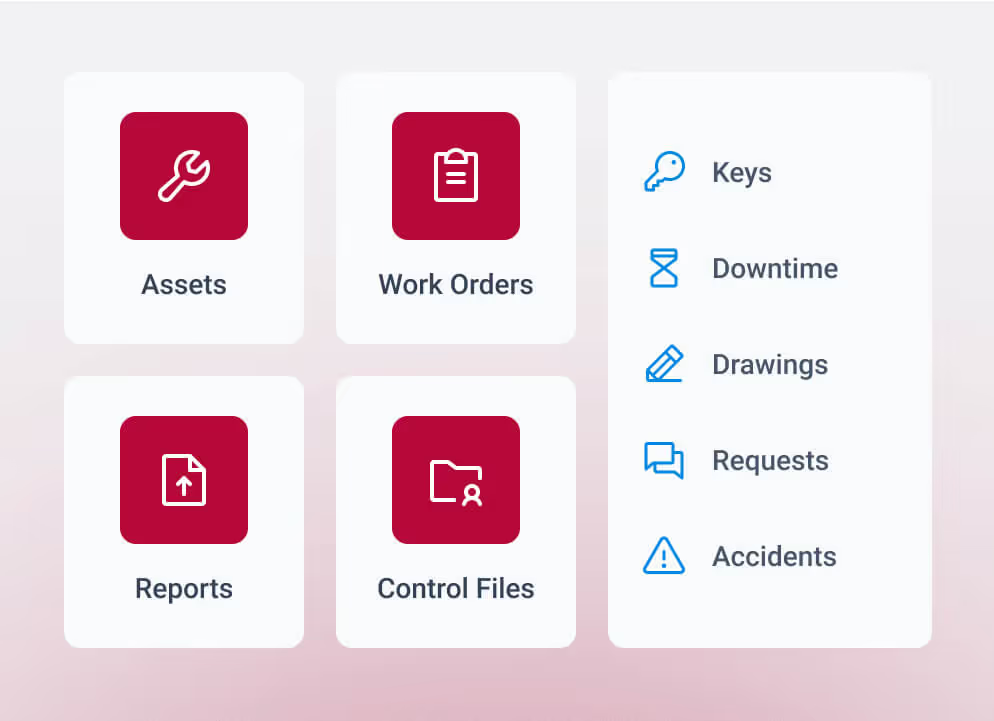
A system like MEX—designed to meet the specific needs of Australian businesses—can help you automate tasks, manage work orders, and store essential asset information.
MEX is tailored for industries such as mining and facility management, offering mobile functionality for teams on-site or in the field, which is invaluable in Australia's often remote locations.
With a CMMS, you can set up automated reminders for maintenance tasks based on asset conditions or time intervals, ensuring no equipment is overlooked.
3. Establish Preventive Maintenance Schedules
Create preventive maintenance (PM) routines based on manufacturer guidelines, asset history, and specific operational demands.
This includes regular equipment inspections, lubrication, and part replacement.
For example, in Australia's heavy industries, such as mining or agriculture, equipment is often subjected to intense wear and tear.
Preventive maintenance ensures you address issues like part fatigue, which could lead to catastrophic failures if neglected.
Your CMMS will enable you to automate these schedules, saving time and improving accuracy in maintaining compliance with safety standards and regulatory requirements.
4. Introduce Predictive Maintenance Technology
Predictive maintenance uses real-time data to forecast when equipment is likely to fail, helping to eliminate the guesswork.
This could involve installing sensors that monitor vibrations, temperature, and other operational indicators.
In Australia's mining or oil and gas sectors, for instance, this can prevent costly breakdowns by enabling timely intervention, thus extending asset lifecycles.
5. Manage Reactive Maintenance Efficiently
Although the goal is to be proactive, reactive maintenance is still an unavoidable aspect of asset management.
Australian businesses should aim to ensure that only 20-30% of maintenance is reactive, compared to 70-80% proactive work.
By focusing on preventive and predictive measures, you can significantly reduce the costs associated with emergency repairs and unplanned downtime.
6. Plan for Asset Replacement
Every piece of equipment has a limited lifespan, and proactive planning must include asset replacement.
In Australia, industries like utilities and transport often rely on long-life assets that degrade over time due to environmental factors or intense usage.
By integrating an asset replacement strategy into your maintenance plan, you can forecast capital expenditure more effectively, preventing sudden financial strain.
This approach is particularly relevant for Australian businesses managing assets spread over large distances, such as utilities providers or companies in the logistics industry.
7. Build and Train a Skilled Workforce
An effective maintenance strategy hinges on having a well-trained and motivated workforce.
In Australia, industries such as mining and construction require highly skilled teams to manage equipment maintenance.
Invest in regular training to ensure that your team can properly utilise advanced technologies, including the CMMS and predictive maintenance tools.
Having a skilled team will ensure maintenance tasks are performed efficiently, helping to reduce downtime while maintaining the highest safety standards.
8. Track KPIs and Optimise Performance
Set clear key performance indicators (KPIs) to monitor the effectiveness of your maintenance plan.
KPIs such as equipment downtime, maintenance costs, mean time between failures (MTBF), and the percentage of scheduled tasks completed can provide insights into the health of your assets.
By regularly reviewing and adjusting these KPIs, Australian businesses can adapt to changes in operational demands, environmental conditions, and technological advances.
For instance, industries dealing with extreme temperatures, like agriculture in outback regions, may need to recalibrate their maintenance schedules seasonally.
9. Regularly Review and Update Your Plan
Building a long-term maintenance plan isn't a one-time activity.
As your business evolves, equipment ages, and technology advances, your proactive maintenance strategy will need to be updated.
Set regular intervals for reviewing your plan to ensure that it continues to align with your business objectives and industry regulations.
Australian regulations and safety standards can vary between states, so it's crucial to stay updated on changes that might affect how your maintenance plan is structured.
Additionally, environmental factors, such as bushfire risks or flooding, may require region-specific adjustments to your maintenance approach.
Final Thoughts
Implementing a long-term proactive maintenance plan is essential for Australian businesses looking to improve operational efficiency, reduce downtime, and extend asset life.
By taking steps to assess assets, utilise the latest technology, and train your workforce, your company will be better equipped to navigate the unique challenges posed by Australia's environment and industry regulations.
With a well-thought-out plan, proactive maintenance can deliver measurable cost savings, ensuring that your operations remain smooth and sustainable over the long term.
- Build proactive maintenance programs that use both scheduled and data-driven insights to prevent equipment failure.
- Track asset performance, schedule recurring maintenance, and reduce costly downtime with automated CMMS planning tools.
- Analyse trends, optimise maintenance frequencies, and empower your team with data-backed training for sustainable asset management.

Download your whitepaper now
You’re all set!
Your eBook is on its way to your inbox. We hope it brings fresh insights and practical takeaways to help you get more from your maintenance operations.




How to Build a Long-Term Proactive Maintenance Plan
In Australia's rapidly evolving industries, equipment downtime and unplanned repairs can have a significant impact on operations, particularly in sectors like mining, utilities, and manufacturing.
To avoid these disruptions, developing a robust proactive maintenance plan is essential. With the right approach, Australian businesses can save time and money while maximising the lifespan of their critical assets.
1. Perform a Comprehensive Asset Assessment
The first step is to assess all your equipment, machinery, and infrastructure.
In Australia, environmental factors like extreme heat, humidity, or proximity to the coast can impact the longevity of assets, so understanding their current condition is key.
A thorough facility condition assessment (FCA) will help you pinpoint which assets need immediate attention and which require routine maintenance to prevent future issues.
2. Utilise a CMMS for Seamless Management
A Computerised Maintenance Management System (CMMS) is critical to organising and streamlining your maintenance processes.
A system like MEX—designed to meet the specific needs of Australian businesses—can help you automate tasks, manage work orders, and store essential asset information.
MEX is tailored for industries such as mining and facility management, offering mobile functionality for teams on-site or in the field, which is invaluable in Australia's often remote locations.
With a CMMS, you can set up automated reminders for maintenance tasks based on asset conditions or time intervals, ensuring no equipment is overlooked.
3. Establish Preventive Maintenance Schedules
Create preventive maintenance (PM) routines based on manufacturer guidelines, asset history, and specific operational demands.
This includes regular equipment inspections, lubrication, and part replacement.
For example, in Australia's heavy industries, such as mining or agriculture, equipment is often subjected to intense wear and tear.
Preventive maintenance ensures you address issues like part fatigue, which could lead to catastrophic failures if neglected.
Your CMMS will enable you to automate these schedules, saving time and improving accuracy in maintaining compliance with safety standards and regulatory requirements.
4. Introduce Predictive Maintenance Technology
Predictive maintenance uses real-time data to forecast when equipment is likely to fail, helping to eliminate the guesswork.
This could involve installing sensors that monitor vibrations, temperature, and other operational indicators.
In Australia's mining or oil and gas sectors, for instance, this can prevent costly breakdowns by enabling timely intervention, thus extending asset lifecycles.
5. Manage Reactive Maintenance Efficiently
Although the goal is to be proactive, reactive maintenance is still an unavoidable aspect of asset management.
Australian businesses should aim to ensure that only 20-30% of maintenance is reactive, compared to 70-80% proactive work.
By focusing on preventive and predictive measures, you can significantly reduce the costs associated with emergency repairs and unplanned downtime.
6. Plan for Asset Replacement
Every piece of equipment has a limited lifespan, and proactive planning must include asset replacement.
In Australia, industries like utilities and transport often rely on long-life assets that degrade over time due to environmental factors or intense usage.
By integrating an asset replacement strategy into your maintenance plan, you can forecast capital expenditure more effectively, preventing sudden financial strain.
This approach is particularly relevant for Australian businesses managing assets spread over large distances, such as utilities providers or companies in the logistics industry.
7. Build and Train a Skilled Workforce
An effective maintenance strategy hinges on having a well-trained and motivated workforce.
In Australia, industries such as mining and construction require highly skilled teams to manage equipment maintenance.
Invest in regular training to ensure that your team can properly utilise advanced technologies, including the CMMS and predictive maintenance tools.
Having a skilled team will ensure maintenance tasks are performed efficiently, helping to reduce downtime while maintaining the highest safety standards.
8. Track KPIs and Optimise Performance
Set clear key performance indicators (KPIs) to monitor the effectiveness of your maintenance plan.
KPIs such as equipment downtime, maintenance costs, mean time between failures (MTBF), and the percentage of scheduled tasks completed can provide insights into the health of your assets.
By regularly reviewing and adjusting these KPIs, Australian businesses can adapt to changes in operational demands, environmental conditions, and technological advances.
For instance, industries dealing with extreme temperatures, like agriculture in outback regions, may need to recalibrate their maintenance schedules seasonally.
9. Regularly Review and Update Your Plan
Building a long-term maintenance plan isn't a one-time activity.
As your business evolves, equipment ages, and technology advances, your proactive maintenance strategy will need to be updated.
Set regular intervals for reviewing your plan to ensure that it continues to align with your business objectives and industry regulations.
Australian regulations and safety standards can vary between states, so it's crucial to stay updated on changes that might affect how your maintenance plan is structured.
Additionally, environmental factors, such as bushfire risks or flooding, may require region-specific adjustments to your maintenance approach.
Final Thoughts
Implementing a long-term proactive maintenance plan is essential for Australian businesses looking to improve operational efficiency, reduce downtime, and extend asset life.
By taking steps to assess assets, utilise the latest technology, and train your workforce, your company will be better equipped to navigate the unique challenges posed by Australia's environment and industry regulations.
With a well-thought-out plan, proactive maintenance can deliver measurable cost savings, ensuring that your operations remain smooth and sustainable over the long term.


Related resources
You’ve seen what’s possible—connect with us to learn how TMA Systems can support your goals beyond the event.
You’ve read the insights, now see how TMA Systems helps teams put them into practice.
From ideas to impact
You’ve read the insights, now see how TMA Systems helps teams put them into practice.
From screen to solution
You’ve watched what’s possible, now see how TMA Systems works for your organization.
From insight to implementation
You’ve explored the strategies, now see how we can bring them to life across your real facilities.