


In this post


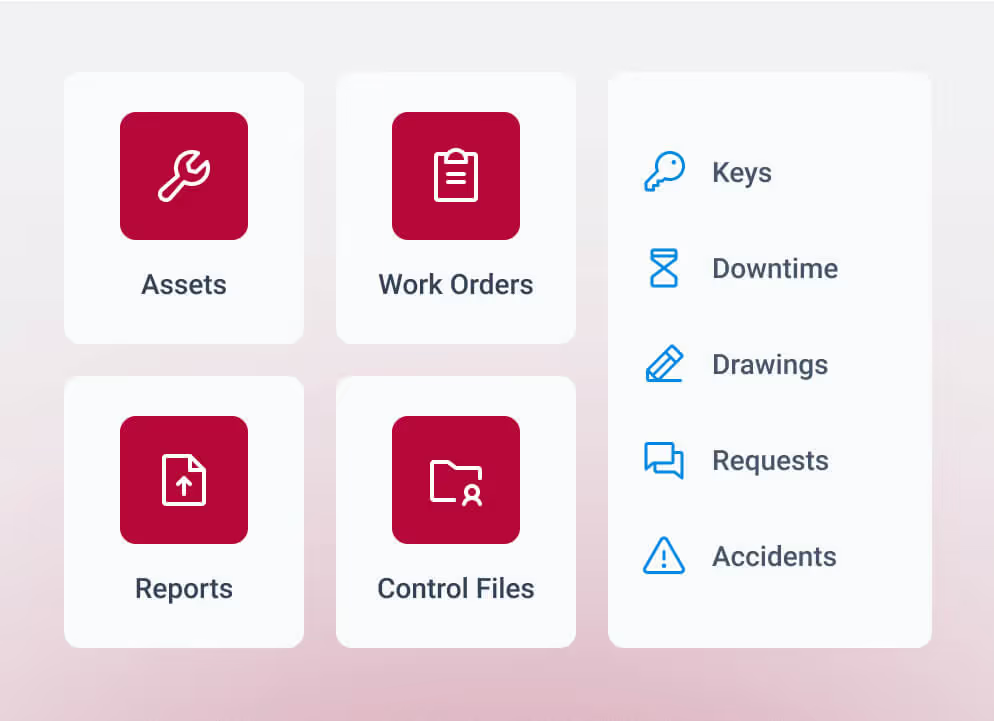

Manufacturing leaders searching for the best CMMS software for manufacturing face constant production pressure, aging equipment that demands tighter oversight, and maintenance teams stretched across shifts, lines, or sites.
According to Deloitte's 2025 Smart Manufacturing Survey, manufacturers reported an average 10–20% improvement in production output from smart manufacturing initiatives. These findings highlight the potential of technology investments to improve operational performance.
When work orders sit in spreadsheets and inspections remain on paper, visibility drops and decisions stall. The right CMMS software provides structure for daily maintenance operations, while more advanced enterprise asset management software supports asset lifecycle management, capital planning, and long-term asset performance tied to real data.
This guide is designed for manufacturers comparing platforms based on plant size, asset complexity, technician workflows, regulatory compliance requirements, and governance expectations common in modern manufacturing maintenance software environments. It helps maintenance, operations, and IT leaders determine which systems support current maintenance operations and future growth.
What is CMMS software for manufacturing?
Manufacturing environments run on equipment uptime, disciplined execution, and clear accountability. If you are asking what is CMMS, it comes down to a system that organises maintenance work, asset data, labour, and parts into one structured workflow. In production settings, CMMS software for manufacturing focuses on equipment performance and shop floor execution rather than building space management.
In manufacturing, a CMMS typically supports:
- Equipment-centric asset hierarchies tied to lines, components, and rebuildable parts
- Preventive maintenance schedules aligned to production demand
- Integrated parts and inventory reservations linked to work orders
- Mobile work execution in plants, yards, and low-connectivity areas
- Digital safety inspections that feed directly into corrective work
This shared foundation clarifies how manufacturing CMMS differs from general facilities tools and sets the stage for evaluating which platforms truly fit production operations.
How we evaluated the best CMMS software for manufacturing
Selecting a CMMS (Computerised Maintenance Management Systems) in a manufacturing plant introduces measurable operational risk. This framework reflects how maintenance and operations teams compare maintenance management software in active production environments. The criteria focus on structural capability, data reliability, maintenance cost control, and long-term sustainability throughout the asset lifecycle.
- Organisation size and operational fit: Plant count, technician headcount, and asset volume shape system requirements. A single-site operation with 10 technicians functions differently from a multi-site manufacturer with centralised reporting and formal regulatory compliance obligations. The platform must reflect how maintenance operations are organised across shifts and locations.
- Core maintenance and asset capabilities: Equipment hierarchies, preventive scheduling, predictive maintenance inputs, mobile documentation, and spare parts workflows must support production-critical assets. Weak component tracking or disconnected inventory management distorts reporting, increases maintenance costs, and weakens reliability analysis tied to asset life.
- Integration ecosystem: Maintenance data frequently connects to ERP, purchasing, MES, or IoT systems. Integration quality directly affects inventory management accuracy, spare parts visibility, and the credibility of financial reporting.
- Implementation and support model: Training structure, onboarding depth, and post-launch support influence technician adoption and data consistency. Inconsistent rollout planning often results in uneven maintenance operations and unreliable performance tracking across plants.
- Pricing structure and scalability: Licensing should accommodate projected growth in users, assets, and locations. Leadership must understand how the system will scale alongside the asset lifecycle management strategy and long-term maintenance costs beyond initial deployment.
This evaluation framework creates a structure for the comparison table and vendor summaries that follow.
6 Best CMMS software for manufacturing: Comparison table
The table below provides a structured, side-by-side view of leading CMMS platforms used in manufacturing. It reflects the operational evaluation criteria outlined earlier and allows teams to quickly scan positioning, capabilities, and fit before reviewing detailed summaries.
This overview creates a baseline for comparison. The next section examines each platform in more detail, with context on operational fit and real-world use cases.

6 Best CMMS software for manufacturing in 2027
The CMMS platforms below reflect different approaches to maintenance management software in manufacturing environments. Some emphasise centralised governance, regulatory compliance, and asset lifecycle management across multiple plants. Others focus on technician usability, spare parts control, inventory management, and faster deployment within defined operational boundaries. Each requires a different level of internal resources, configuration depth, and long-term oversight.
1. MEX
MEX is a technician-focused maintenance platform built for equipment-centric manufacturing environments where uptime depends on disciplined execution and accurate parts control. It supports work order management, preventive maintenance tracking, integrated inventory workflows, and mobile execution for technicians working in plants, yards, or remote areas. Offline capability allows crews to capture work and inspections without relying on stable connectivity, keeping maintenance data consistent.
Best for: Small to mid-sized manufacturers and asset-intensive operations that need fast adoption, mobile usability, and tighter control over parts, inspections, and equipment history without enterprise-level configuration requirements.
Plans and pricing: Straightforward licensing designed for quick rollout and predictable growth as users, assets, or sites expand.
Real customer insights: “It was so easy to set up, it was all a SaaS solution, so minimal interaction, just did the SSO for ease of authentication, and the rest just works. Users are happy and have had no issues so far.” — Gartner Review
2. WebTMA by TMA Systems
WebTMA is a configurable CMMS and enterprise asset management platform built for manufacturers managing complex equipment, multiple plants, and formal governance requirements. It supports maintenance requests, preventive maintenance schedules, asset lifecycle oversight, compliance documentation, inventory control, and reporting within one operational system. Manufacturing teams use it to standardize work across sites, track asset cost history, and connect maintenance performance to capital planning decisions.
Best for: Large or multi-site manufacturers that require structured approval workflows, centralised reporting, audit readiness, and long-term asset strategy tied to production-critical equipment.
Plans and pricing: Configurable subscriptions based on modules, user count, and deployment scope. Implementation and support services scale with organisational complexity.
Real customer insights: “The level of customer service provided by TMA far exceeds any other software vendor I have experience with. The functionality of the product has allowed us to expand the usage of the software beyond the original intended use to multiple departments, leading to better integration.” — Gartner Review
WebTMA operates within the broader TMA Systems suite and is supported by implementation, training, and long-term services aligned to real manufacturing workflows and governance standards.
3. Fiix
Fiix is a cloud-based CMMS focused on preventive maintenance, asset tracking, and standardised work order management. It is often adopted by manufacturing teams moving away from spreadsheets or basic systems and looking to formalize maintenance processes across one or more sites. The platform emphasises structured workflows and reporting to improve maintenance visibility and reduce reactive work.
Best for: Mid-market manufacturers are seeking to improve preventive maintenance discipline and gain clearer insight into asset performance across distributed operations.
Plans and pricing: Subscription-based pricing that scales based on users and feature access, with higher tiers adding reporting depth and integrations.
Real customer insights: “It's easy to track, manage, and control inventories with Fiix CMMS. It's simple to organise, create, and manage work orders with this tool.” — Gartner Review
4. MaintainX
MaintainX is a mobile-first CMMS built around quick work order updates, digital checklists, and team communication. The platform centres on ease of use and rapid technician onboarding, with workflows designed to simplify daily task execution on the shop floor. Many teams adopt it to replace paper-based processes and improve response times.
Best for: Manufacturers that prioritise fast technician adoption, mobile usability, and straightforward maintenance tracking in less complex or growing environments.
Plans and pricing: Tiered pricing model with entry-level options and paid plans that add analytics, automation, and administrative controls.
Real customer insights: “The staff are great, they are highly responsive and nearly always resolve the issue the day it is reported. The Platform is constantly growing, they are adding more functionality and streamlining processes.” — Gartner Review
5. Limble
Limble is a cloud CMMS platform focused on usability, preventive maintenance scheduling, and equipment tracking. It provides structured work order workflows and mobile access to support maintenance execution across plants. Many smaller or growing manufacturing teams adopt it when they want guided implementation and straightforward configuration without extended setup cycles.
Best for: Small to mid-sized manufacturing teams seeking a user-friendly CMMS with core preventive maintenance, asset tracking, and reporting capabilities.
Plans and pricing: Subscription-based pricing tied to user count and feature tiers, with higher plans offering expanded analytics and integration options.
Real customer insights: “Limble's extremely user-friendly with an amazing technical support team. The dashboards provide a visual of asset KPIs, downtime hours, and manpower. Submitting work orders is easy for the team to use with QR code capabilities.” — Gartner Review
6. eMaint CMMS
eMaint is a cloud-based CMMS platform that supports preventive maintenance, asset tracking, and compliance documentation across manufacturing operations. It offers configurable workflows and reporting tools that help teams structure maintenance data and monitor equipment history. The system is commonly used in regulated and asset-intensive industries. However, some clients look for eMaint alternatives when they need different pricing options, more specialised features, easier integrations, or a platform that better aligns with their operational requirements.
Best for: Manufacturers that require configurable maintenance workflows, structured reporting, and visibility into asset history to support compliance and reliability programs.
Plans and pricing: Tiered subscription pricing based on user access and functionality, with advanced tiers adding reporting depth and integration capabilities.
Real customer insights: “Good software, user-friendly, very good support. Configurations and such are very good to help end users be efficient and save time.” — Gartner Review
Selecting among these platforms depends on reporting expectations, visibility into maintenance costs, inventory management maturity, internal IT capacity, and the structure of existing maintenance operations. A system that performs well in a single facility may require additional governance and integration planning across multiple plants. Align platform capability with long-term maintenance strategy before committing to implementation.
Key features to consider in CMMS software for manufacturing
When manufacturing teams compare CMMS platforms, the discussion should stay anchored in maintenance operations, reliability, and long-term control of asset performance and maintenance costs.
- Work order management and maintenance execution: Maintenance execution depends on disciplined workflows within maintenance management software. The system should track labor, spare parts usage, failure codes, response times, and approval steps to support root cause analysis, backlog control, and tighter inventory management.
- Preventive and condition-based maintenance: Preventive maintenance schedules must reflect actual production demand, not static calendar intervals. The platform should support condition-based inputs and predictive maintenance data, enabling teams to reduce unplanned downtime and extend asset life.
- Mobile CMMS access for technicians: Technicians need immediate access to assignments, asset history, and spare parts availability. Offline capability is critical in facilities with limited connectivity, where delayed documentation creates gaps in maintenance operations and cost tracking.
- Asset lifecycle visibility: Asset records should mirror production hierarchies, including components and rebuildable assemblies. Historical repair cost, downtime frequency, and parts consumption data support asset lifecycle management decisions and help leaders evaluate total asset life performance.
- Reporting and performance tracking: Supervisors require clear visibility into backlog, preventive compliance, and response performance. Executives need defensible maintenance costs reporting tied to equipment reliability, regulatory compliance exposure, and production risk.
- Integration with ERP, MES, and inventory systems: Maintenance management software should integrate with purchasing, inventory management, and financial systems to maintain data integrity across departments. Alignment between maintenance, finance, and supply chain improves spare parts control and supports accurate cost allocation.
These CMMS capabilities shape daily maintenance operations and long-term asset lifecycle management strategy. With this foundation in place, selection decisions become more grounded in operational reality.
How to choose the right CMMS software for manufacturing
Understanding how to choose a CMMS goes beyond comparing features and capabilities. Implementation planning, ownership clarity, and adoption management determine whether a system performs as intended.
- Plan implementation before contract finalisation: Map current workflows, approval chains, and parts issuance processes. Define reporting standards and training responsibilities in advance. A documented rollout plan reduces confusion during deployment.
- Test technician usability in live conditions: Run pilot scenarios using real preventive tasks and breakdown events. Observe how technicians navigate asset records, record labour, and issue parts during a typical shift.
- Define system ownership and governance early: Assign responsibility for asset structures, user permissions, and reporting definitions. Clear accountability protects long-term data integrity.
- Evaluate data migration and transition risk separately from rollout planning: Inventory asset histories, preventive schedules, and open work orders before transfer. Validate record completeness before go-live to prevent lifecycle reporting gaps.
- Scrutinise vendor support structure: Review onboarding depth, configuration guidance, and escalation procedures. Production schedules require dependable response channels.
- Confirm scalability under growth scenarios: Assess how the system handles additional plants, increased asset libraries, and expanded reporting complexity.
Long-term performance depends on planning discipline, role clarity, and realistic validation before full deployment.
Where MEX and TMA Systems fits in
MEX and TMA Systems serve manufacturers that require structured execution, clear reporting, and long-term alignment between maintenance activity and asset strategy. The platform portfolio supports distinct operational scales and complexity levels, incorporating cloud storage, condition monitoring inputs, and asset health visibility without forcing a single deployment model.
- MEX: Built for equipment-centric plants and mid-market manufacturers focused on technician adoption, mobile execution through a mobile app, and integrated parts control. It fits organizations that need fast rollout, reliable shop-floor documentation, and structured asset health tracking supported by cloud storage and sensor technology inputs.
- WebTMA: Designed for multi-site manufacturers and regulated environments where governance, compliance documentation, and centralized reporting are operational priorities. It supports environments where maintenance data, sensor technology integrations, and condition monitoring programs inform capital planning, audit preparation, asset health analysis, and cross-site performance management.
- ProCal and ProCalX: Extend oversight to calibration-driven, compliance-sensitive operations where instrument accuracy, traceability, asset health documentation, and audit readiness depend on structured records and controlled data environments.
MEX and TMA Systems combine configurable technology, condition monitoring capability, mobile app accessibility, cloud storage infrastructure, and structured implementation support grounded in decades of manufacturing experience.
FAQs about CMMS software for manufacturing
Related resources
Let’s work smarter, together
Our team is committed to solving real-world problems with tools that meet you where you are.
Ready to see how?
